Sustainable Farming Practices for a Secure Food Future

The global food system is at a crossroads. With the world population projected to reach nearly 10 billion by 2050, the demand for food is increasing at an unprecedented rate. Traditional farming methods, while effective in the past, are no longer sustainable. They contribute to soil degradation, water scarcity, and loss of biodiversity. To ensure a secure food future, we must adopt sustainable farming practices that not only meet our current needs but also protect the environment for generations to come.

Understanding Sustainable Farming
Sustainable farming refers to agricultural practices that prioritize environmental health, economic profitability, and social equity. It encompasses a variety of methods aimed at reducing the negative impacts of farming on the environment while enhancing productivity and resilience. Here are some key principles of sustainable farming:
Soil Health: Maintaining and improving soil quality is crucial for sustainable agriculture. Healthy soil supports plant growth, retains water, and sequesters carbon.
Biodiversity: Promoting a diverse range of crops and livestock can enhance ecosystem resilience and reduce the risk of pests and diseases.
Water Management: Efficient use of water resources is essential, especially in regions facing water scarcity. Techniques like rainwater harvesting and drip irrigation can help.
Reduced Chemical Use: Minimizing the use of synthetic fertilizers and pesticides can protect the environment and human health.
Key Sustainable Farming Practices
Crop Rotation
Crop rotation involves alternating the types of crops grown in a particular area over time. This practice helps to:
Improve soil fertility by replenishing nutrients.
Break pest and disease cycles.
Reduce soil erosion.
For example, a farmer might plant legumes one season, which fix nitrogen in the soil, followed by a cereal crop that benefits from the increased nutrient levels.
Agroforestry
Agroforestry integrates trees and shrubs into agricultural landscapes. This practice offers multiple benefits:
Enhances biodiversity by providing habitats for wildlife.
Improves soil structure and fertility.
Increases resilience to climate change by providing shade and reducing soil erosion.
Farmers in tropical regions often practice agroforestry by planting fruit trees alongside cash crops, creating a more diverse and sustainable farming system.
Organic Farming
Organic farming avoids synthetic chemicals and genetically modified organisms (GMOs). Instead, it relies on natural processes and materials. Key benefits include:
Improved soil health through composting and natural fertilizers.
Reduced environmental impact due to lower chemical runoff.
Increased market demand for organic products.
For instance, organic vegetable farms often use crop rotation and cover crops to maintain soil health and control pests naturally.
Integrated Pest Management (IPM)
IPM is a holistic approach to managing pests that combines biological, cultural, physical, and chemical tools. This method aims to minimize the use of harmful pesticides while effectively controlling pest populations. Key strategies include:
Monitoring pest populations to determine when intervention is necessary.
Using beneficial insects, such as ladybugs, to control pests naturally.
Implementing cultural practices, such as crop rotation, to disrupt pest life cycles.
Conservation Tillage
Conservation tillage reduces soil disturbance and helps maintain soil structure. This practice can lead to:
Improved soil health and moisture retention.
Reduced erosion and runoff.
Enhanced carbon sequestration.
Farmers can adopt practices like no-till or reduced-till farming to minimize soil disturbance while maintaining productivity.
The Role of Technology in Sustainable Farming
Advancements in technology are playing a crucial role in promoting sustainable farming practices. Here are some examples of how technology is being utilized:
Precision Agriculture
Precision agriculture uses data and technology to optimize field-level management regarding crop farming. Key components include:
GPS Technology: Allows farmers to monitor and manage their fields with high precision.
Drones: Used for aerial imaging and monitoring crop health.
Soil Sensors: Provide real-time data on soil moisture and nutrient levels.
By using these technologies, farmers can make informed decisions that enhance productivity while minimizing environmental impact.
Vertical Farming
Vertical farming involves growing crops in stacked layers, often in controlled indoor environments. This method offers several advantages:
Reduces land use and water consumption.
Minimizes transportation costs by locating farms closer to urban areas.
Allows for year-round crop production, independent of weather conditions.
Companies like AeroFarms and Plenty are pioneering vertical farming techniques, demonstrating the potential for sustainable urban agriculture.
Challenges to Sustainable Farming
While sustainable farming practices offer numerous benefits, several challenges must be addressed:
Economic Viability
Transitioning to sustainable practices can require significant upfront investment. Farmers may face financial barriers, especially if they are accustomed to conventional methods. Support from government programs and financial institutions can help ease this transition.
Knowledge and Training
Many farmers lack access to information and training on sustainable practices. Extension services and agricultural education programs can play a vital role in providing the necessary knowledge and skills.
Climate Change
Climate change poses a significant threat to agriculture, affecting crop yields and increasing the frequency of extreme weather events. Sustainable farming practices can help build resilience, but ongoing adaptation and innovation are essential.
The Future of Sustainable Farming
The future of sustainable farming depends on collaboration among farmers, researchers, policymakers, and consumers. Here are some steps we can take to promote sustainable agriculture:
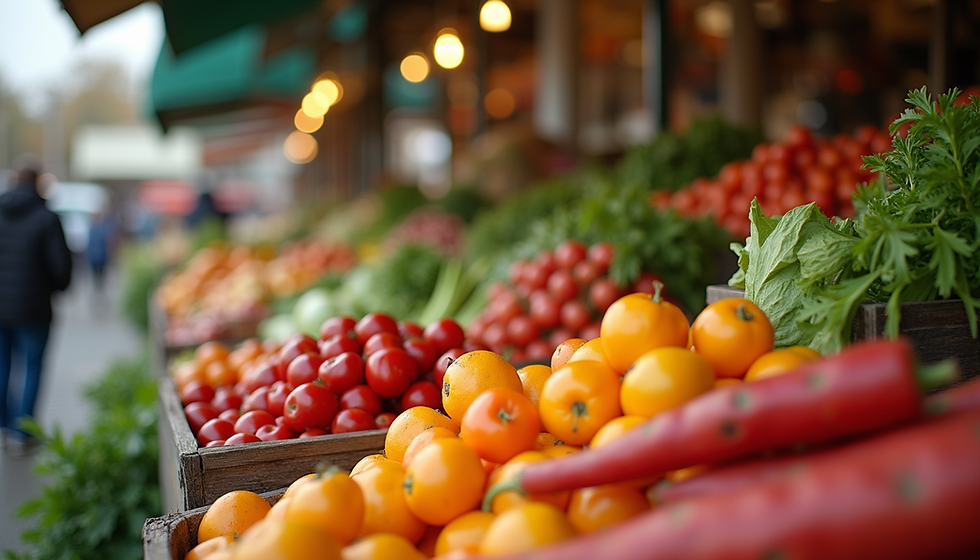
Support Local Farmers: Purchasing food from local farmers markets can encourage sustainable practices and strengthen local economies.
Advocate for Policy Changes: Supporting policies that promote sustainable agriculture can help create a more resilient food system.
Educate Consumers: Raising awareness about the benefits of sustainable farming can drive demand for sustainably produced food.
By working together, we can create a food system that is not only productive but also sustainable and equitable.
Conclusion
Sustainable farming practices are essential for ensuring a secure food future. By adopting methods that prioritize environmental health, economic viability, and social equity, we can meet the growing demand for food while protecting our planet. The transition to sustainable agriculture may be challenging, but the benefits for our health, environment, and future generations are well worth the effort. Let’s take action today to support sustainable farming and secure a better food future for all.

Comments